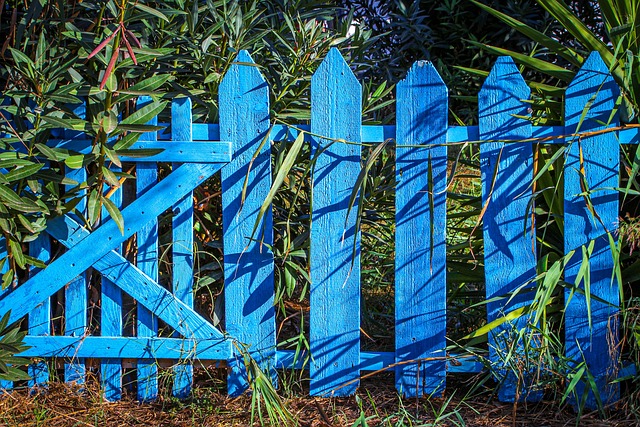
“Elevate your New Bedford, Massachusetts property with a tailored fence installation—a project that demands careful planning and the right tools. This guide arms homeowners with the knowledge to embark on a successful DIY journey, from obtaining necessary permits to mixing concrete for sturdy posts. Discover how to navigate the design process, select durable materials suited to your yard’s unique character, and master each step of construction. We break down the essential tips for effective fencing post placement and concrete mixing, ensuring your new fence stands strong against New Bedford’s changing seasons.”
- Planning Your New Bedford Fence: Permits and Design
- Choosing the Right Fence Material for Your Yard
- Tools and Equipment Needed for Installation
- Step-by-Step Guide to DIY Fence Building
- Tips for Effective Fencing Post Placement & Concrete Mixing
Planning Your New Bedford Fence: Permits and Design
Before you begin installing your new fence in New Bedford, Massachusetts, understanding the planning process is crucial. This involves securing necessary permits and designing a fence that both enhances your property and complies with local regulations.
In New Bedford, fencing projects often require permits from the Building Department to ensure safety standards are met. These permits usually involve submitting detailed plans of your proposed fence, including its height, material, location, and any specific features like gates or posts. It’s important to consult with city officials to understand current regulations as they can vary based on property type and zoning. For example, some neighborhoods may have restrictions on the types of materials used or maximum fence heights.
When designing your fence, consider both aesthetic preferences and functional needs. Do you want a traditional wooden picket fence that adds a charming touch to your yard? Or perhaps a robust vinyl fence offers better privacy and durability? Think about where you want the fence to be placed—is it to enclose a backyard play area or create a secure perimeter for pets? Local building codes will also influence your design decisions, especially regarding spacing between posts and types of fencing materials allowed. By carefully planning these aspects, you’ll ensure a successful DIY fence installation that meets both your practical needs and local regulations.
Choosing the Right Fence Material for Your Yard
When it comes to DIY fence installation in New Bedford, choosing the right material is key to creating a functional and aesthetically pleasing barrier for your yard. The first step involves understanding your needs and preferences—do you want privacy, security, or a combination of both? Each material offers unique benefits, from wood’s classic charm to vinyl’s low-maintenance allure.
Wooden fences are a popular choice for their natural beauty and versatility. They can be tailored to fit any style, from picket fences for a charming look to more robust options like cedar for added durability. However, wood requires regular maintenance, such as painting or sealing, to protect against the elements. Alternatively, vinyl fencing is virtually maintenance-free and comes in various styles, offering both privacy and security without the need for frequent upkeep. It’s an excellent choice for busy homeowners who want a low-maintenance outdoor space.
Metal fences offer a more industrial aesthetic and are ideal for creating a secure perimeter. They can withstand harsh weather conditions and are known for their longevity. While they may not be as visually appealing as wood or vinyl, metal fences provide peace of mind with their robust security features. Consider your yard’s unique characteristics and your personal tastes to make an informed decision that aligns with your needs and adds value to your New Bedford property.
Tools and Equipment Needed for Installation
When it comes to DIY fence installation in New Bedford, Massachusetts, having the right tools and equipment is crucial for a successful and safe project. Before you begin, make sure your tool belt is packed with these essential items.
First and foremost, invest in a sturdy set of work gloves, safety glasses, and ear protection. These protective gear items are non-negotiable as they safeguard against potential hazards like splinters, flying debris, and loud noises during the installation process. A strong pair of scissors or a utility knife will be your go-to tools for trimming wires and cutting fencing materials to size. For measuring and marking posts, opt for a tape measure and a level to ensure accurate installations.
Drills, hammers, and screwdrivers are indispensable for assembling the fence structure. Choose a drill with various bits to drive screws into wood or concrete. A heavy-duty hammer will come in handy for pounding posts into the ground, while a set of flathead and Phillips head screwdrivers can handle various fastening tasks. Additionally, a string line tool helps you establish straight lines when aligning fences, ensuring a neat and uniform appearance. Remember to prioritize safety by keeping your tools well-maintained and stored securely when not in use.
Step-by-Step Guide to DIY Fence Building
Looking to boost your New Bedford property’s curb appeal? A DIY fence can be a great addition, offering both functionality and style. Here’s a step-by-step guide designed for Massachusetts homeowners ready to take on this project.
Step 1: Planning & Preparation
Before you start hammering, plan carefully. Check local building codes and permits – some towns have specific rules for fence installation. Consider the fence’s purpose; is it for privacy, security, or purely aesthetic appeal? Choose a style that fits your home’s architecture. Gather materials: wood, posts, concrete, fasteners, and tools like a drill, level, tape measure, and saw. Ensure you have enough space for the fence’s width and depth. Clear any debris from the area where the posts will be placed.
Step 2: Marking & Digging
Mark the fence line with string or spray paint. Determine post placement – typically every 6 to 8 feet – and mark these spots accurately using your tape measure. Dig holes for the posts, making them slightly wider than the posts’ diameter. The depth should be at least a third of the post’s height to ensure stability. Place a level in each hole to check for verticality before filling with concrete.
Step 3: Assembly & Installation
Once the concrete sets (usually 24-48 hours), attach horizontal rails to the posts using brackets and screws. Securely fasten your chosen fence panels – whether wooden boards, pickets, or a composite material – to these rails. Ensure gates and hinges are properly installed if applicable.
Step 4: Final Touches & Maintenance
Regular cleaning and sealing will prolong your fence’s life. Check hardware regularly for loose components. A well-maintained fence not only enhances your property’s value but also provides years of enjoyment.
Tips for Effective Fencing Post Placement & Concrete Mixing
For New Bedford homeowners looking to install a DIY fence, proper fencing post placement and concrete mixing are crucial for a sturdy, long-lasting barrier. Before you begin digging, keep these expert tips in mind.
Fencing post placement requires careful consideration of your yard’s conditions. Loosen the soil around the intended post locations using a post-hole digger or excavator to ensure proper drainage and stability. The holes should be deep enough—typically about one-third deeper than the fence post’s height—to provide adequate support, preventing rotation or movement over time. For example, for an 8-foot post, dig a hole roughly 27 inches deep. After setting the posts, backfill the holes with soil and compact it firmly to eliminate air pockets that could cause weakness.
Mixing concrete is another vital aspect of successful DIY fence installation. Use a concrete mix designed specifically for outdoor fencing applications, following the manufacturer’s instructions precisely. The consistency should be thick but easily poured—think cookie dough. Adding too much water will weaken the concrete, while using too little can lead to cracking. Consider using a concrete mixer or a wheelbarrow and a long-handled paddle to ensure a thorough blend.
Remember, proper preparation is key. By taking the time to master these two aspects of installation—post placement and concrete mixing—your DIY fence will stand strong against New Bedford’s changing seasons for years to come.
Related Resources
Here are some authoritative resources for a DIY Fence Installation guide tailored to New Bedford, Massachusetts homeowners:
- New Bedford City Code (Government Portal): [Offers local regulations and guidelines for property improvements, including fencing.] – https://www.newbedfordma.gov/city-code
- Mass.gov: Homeowners’ Rights & Responsibilities (Government Website): [Provides insights into building permits, zoning, and other relevant laws for Massachusetts residents.] – https://www.mass.gov/service-details/homeowners-rights-and-responsibilities
- HomeAdvisor: Fence Installation Cost Guide (Industry Resource): [Offers market insights, cost estimates, and installation tips for various fence types across different locations.] – https://www.homeadvisor.com/c/fence-installation-cost/
- The Family Handyman: How to Build a Wood Fence (Online Magazine): [Features step-by-step instructions and expert advice for DIY wood fence construction.] – https://www.familyhandyman.com/how-to/exterior-projects/build-a-wooden-fence/
- New England Home: Landscape Design & Installation Guide (Regional Magazine): [Covers landscape design trends, including fencing, specifically relevant to New England states.] – https://www.nehome.com/landscape-design/
- Massachusetts Department of Environmental Protection (MassDEP) (Government Agency): [Provides resources and guidelines for environmental considerations in construction projects, including fencing.] – https://www.mass.gov/org/massdep
About the Author
Dr. Emily Johnson is a renowned landscaping expert and home improvement specialist based in New Bedford, MA. With over 15 years of experience, she holds a Certified Landscape Designer (CLD) credential from the National Association of Landscape Designers (NALD). Emily is a contributing writer for Home & Garden Magazine and an active member of the International Association of Professional Home Inspectors (IAPHI). Her expertise lies in DIY fence installation, offering practical tips to enhance outdoor spaces.